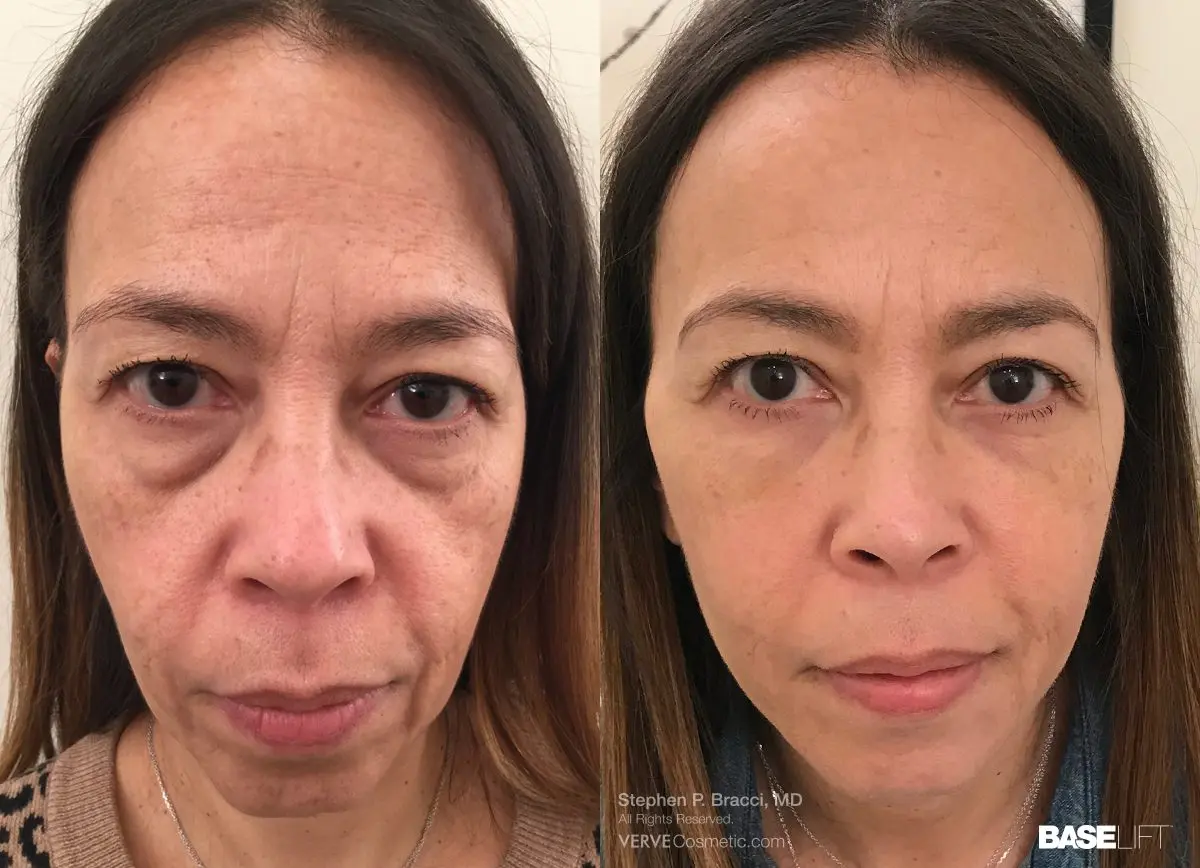
What is melasma and what does it look like?
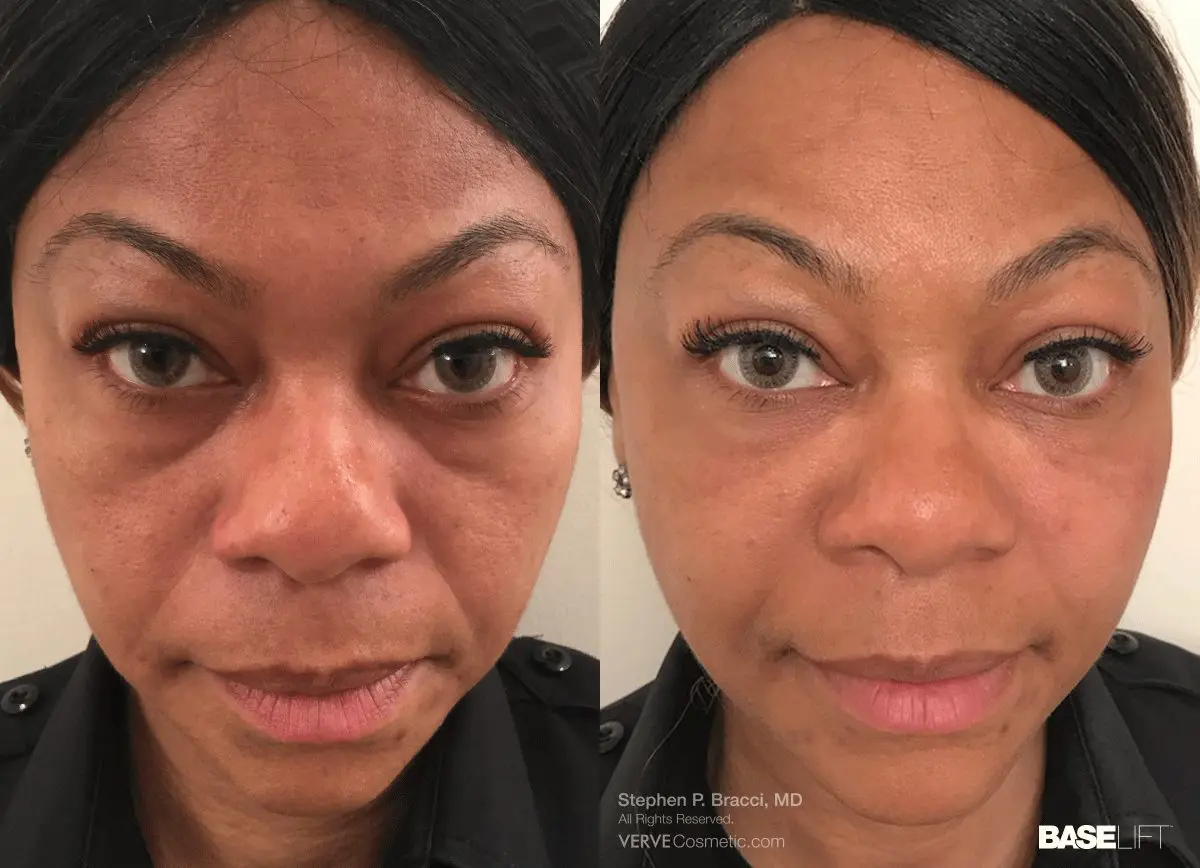
Melasma is a skin condition that causes darker patches of pigmentation, most often on the cheeks, nose, forehead, and upper lip. These areas may look uneven or discolored and are usually triggered by sun exposure or hormonal shifts.
What causes melasma?
The most common causes of melasma are sun exposure and hormonal changes. Women, especially those with medium to light brown skin tones, are more likely to develop this condition, especially during pregnancy or while taking birth control or hormone replacement therapy.
When does melasma usually start?
Melasma often develops in the late 20s or early 30s, but it can appear earlier or later depending on genetics, hormone levels, and UV exposure.
What can I do to treat melasma?
Melasma treatment options include laser and IPL devices, chemical peels, and topical brightening creams. We will recommend a plan based on your skin and lifestyle.
How do I keep melasma from coming back?
Sun protection and consistent skincare are essential. Even after a successful melasma facial in NYC, maintenance helps prevent future discoloration.
This information was medically reviewed by board-certified physician Stephen P. Bracci, M.D. on August 20, 2025.